
Sea Spurge Biocontrol

Program overview
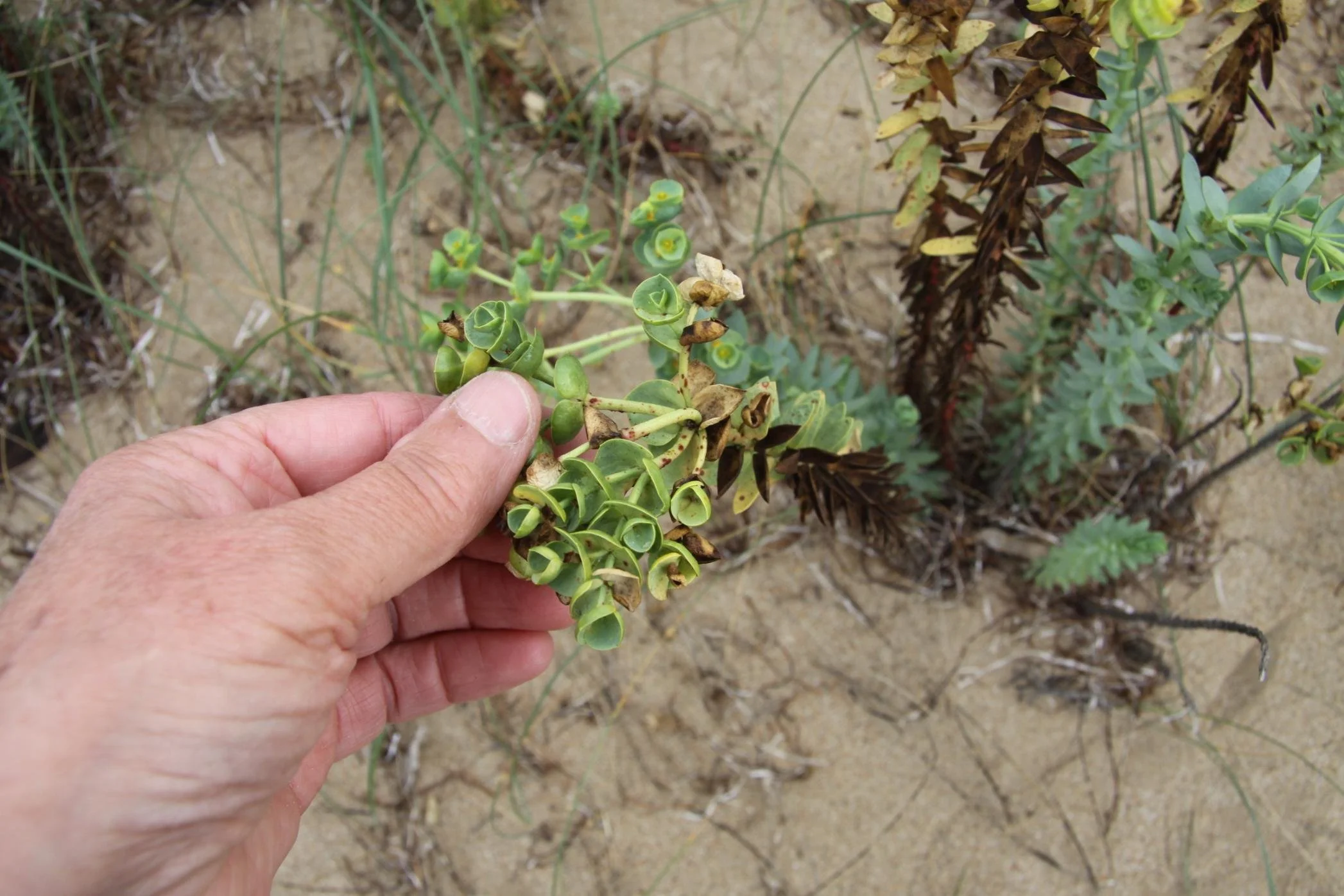
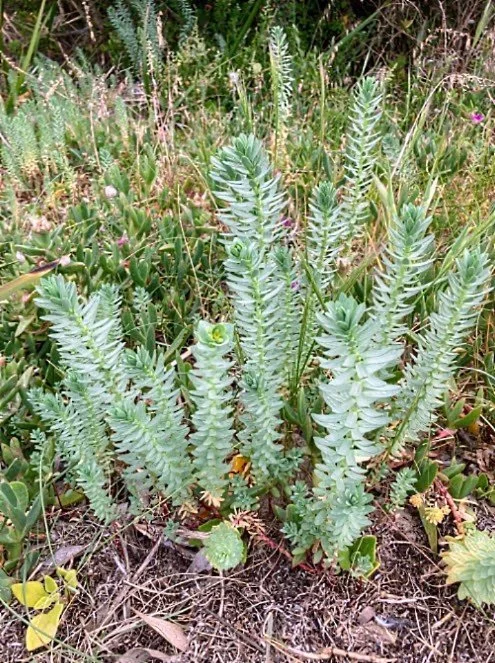
Landcare Victoria is partnering with CSIRO on a new national project to help manage sea spurge (Euphorbia paralias) — a highly invasive coastal weed that threatens dunes and sensitive coastal ecosystems across Victoria and Australia.
This collaboration forms part of a broader project led by CSIRO and funded by the Australian Government Department of Agriculture, Fisheries and Forestry. The project focuses on the coordinated release and monitoring of a safe, rigorously tested biological control agent — the fungus Venturia paralias.
As part of this project, coastal community groups in Victoria are invited to submit an Expression of Interest (EOI) to host a workshop or on-ground learning event in their community.
About the biocontrol agent
Venturia paralias is a naturally occurring fungus sourced from sea spurge’s native European range. It is highly host-specific, meaning it only affects sea spurge and does not harm native plants or other vegetation.
Over time, the fungus helps to:
Reduce sea spurge plant growth and density
Limit seed production
Support the recovery of native flora and fauna in coastal and dune environments
The biocontrol agent has been extensively tested by CSIRO in high-security quarantine facilities and has shown strong results at initial release sites in Tasmania and Victoria. The project is now moving into a national release phase.
The role of Landcare and community groups
Participating groups will have the opportunity to:
Host a local workshop or on-ground learning event (Victoria only)
Build local knowledge and skills in biocontrol and coastal weed management
Take part in the coordinated release and monitoring of the sea spurge biocontrol agent
Why is Sandy Point joining this project?
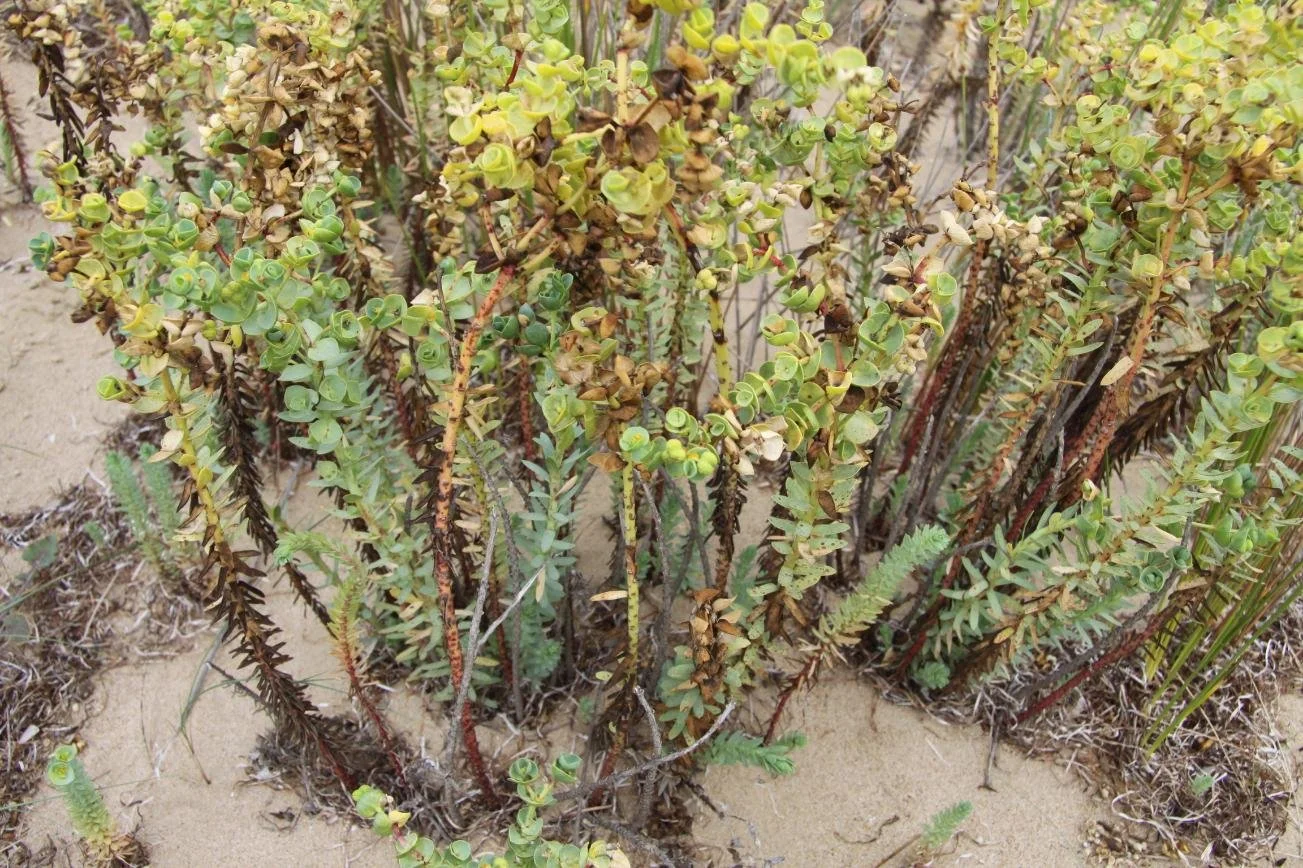
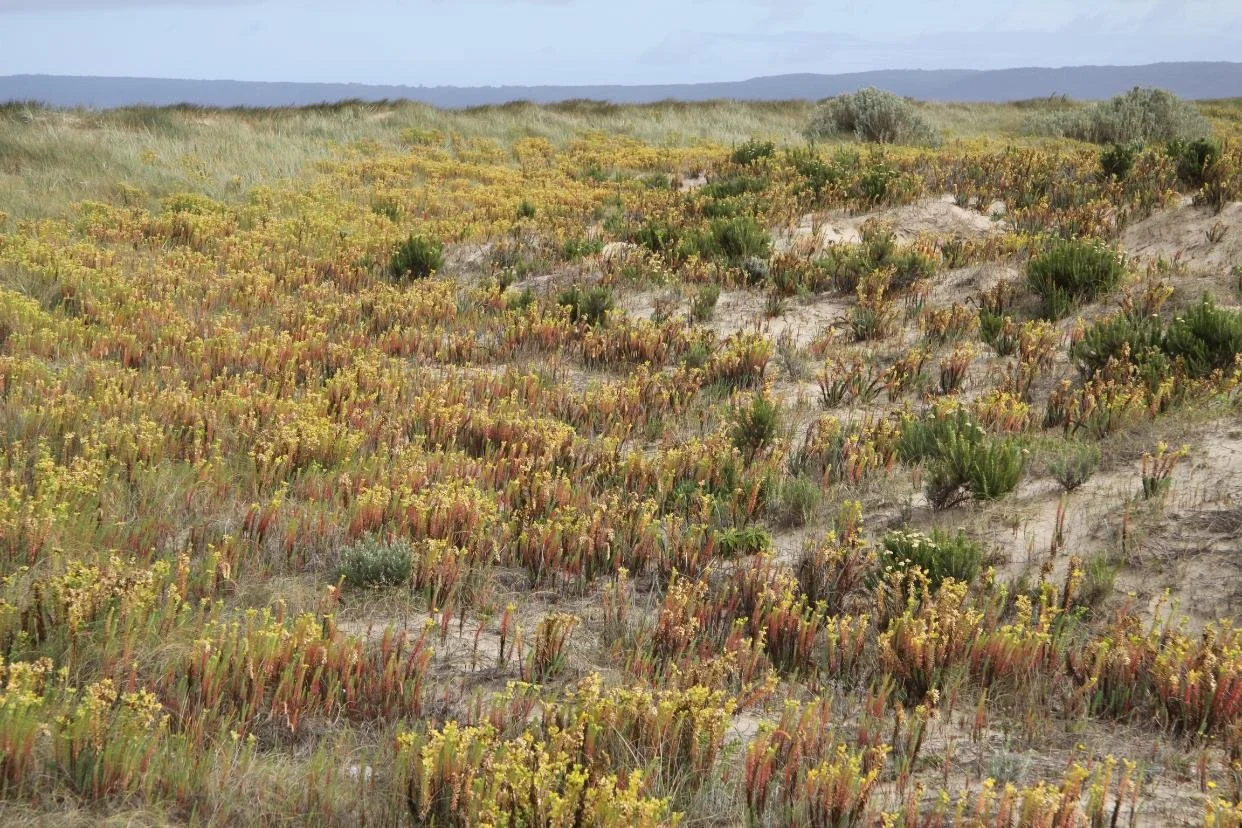
Sea Spurge infestations are impacting the shore line of Waratah Bay, Sandy Point and the Shallow Inlet Spit. These infestations are having a detrimental effect on the flora and fauna. Large areas are now covered with both established and young Sea Spurge plants.
The infestations are having a significant impact on the nesting habits of shore birds including the Hooded Plover, Red Capped Plover, and Australian Pied Oyster-catcher. Nesting sites used in previous years are no longer able to be used due to the spread of Sea Spurge. Learn more about Sea Spurge on the SPCG’s Guide to Local Plants
Project activities …
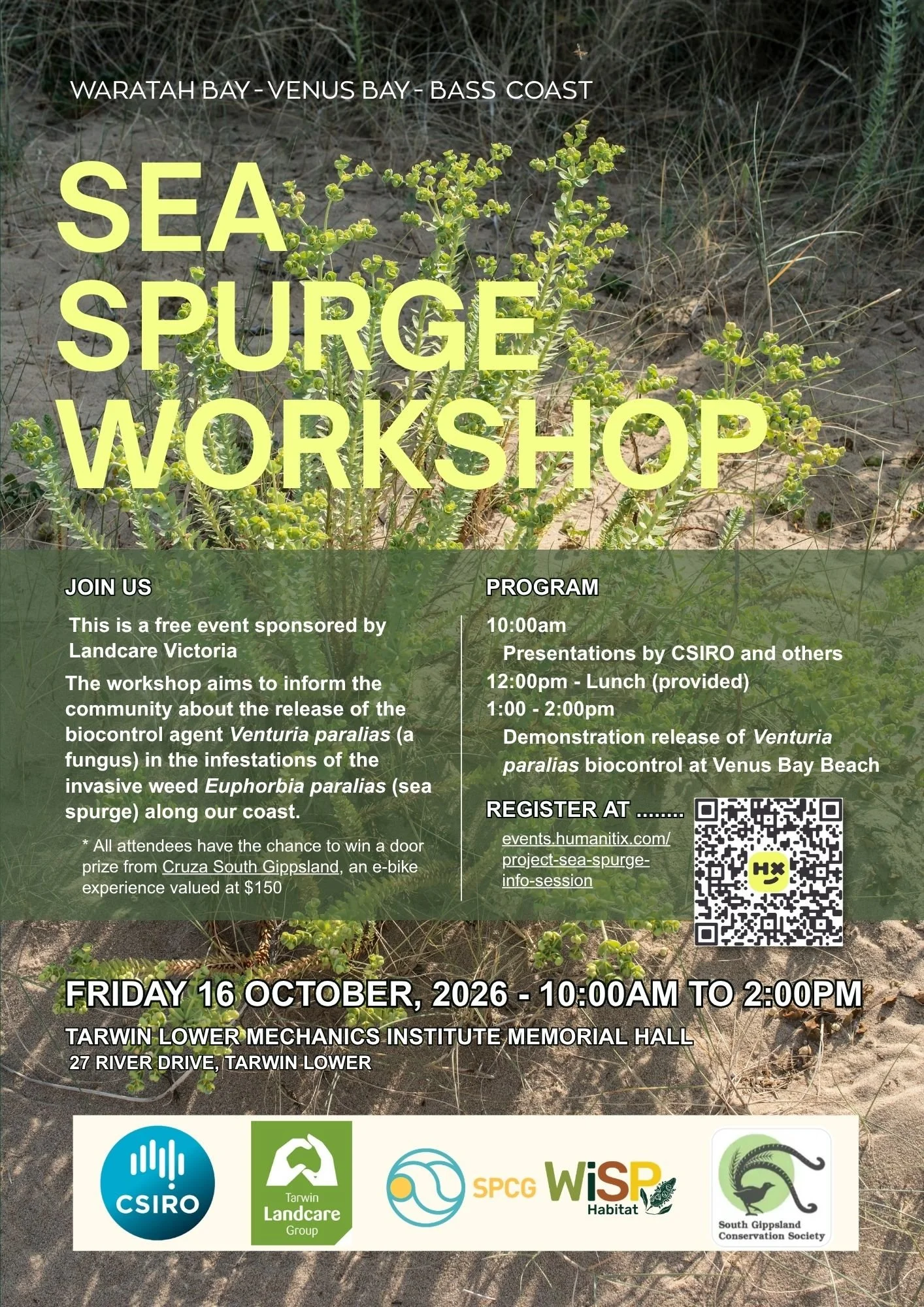
A community information workshop
Friday 16 October, 2026 - 10:00AM to 2:00PM
Tarwin Lower Mechanics Institute Memorial Hall
27 River Drive, Tarwin Lower
This is a free event sponsored by Landcare Victoria. The workshop aims to inform the community about the release of the biocontrol agent Venturia paralias (a fungus) in the infestations of the invasive weed Euphorbia paralias (sea spurge) along our coast.
* All attendees have the chance to win a door prize from Cruza South Gippsland, an e-bike experience valued at $150
PROGRAM
10:00am - Presentations by CSIRO and others
12:00pm - Lunch (provided)
1:00 - 2:00pm - Demonstration release of Venturia paralias biocontrol at Venus Bay beach
REGISTER at ........
2. The application of the biocontrol agent along Waratah Bay
This will occur on another date following the workshop, to be advised
Please get involved.
The SPCG Committee would be happy to receive your input regarding this project. Use this form to offer your feedback, suggestions, or assistance.